
Refill and Recycling in Ireland
Keep your prints clear without harming cartridges
Refilling suits some cartridges and fails others. Recycling suits every finished cartridge. Here is how to tell which is which, and how to pass used cartridges to recycling in Ireland without fuss.
What this page covers
Refill or recycle? A plain guide for Ireland
Does your model accept refilling at all?
Cracks, worn contacts, months of streaks.
Old ink thickens and blocks narrow nozzles.
Uneven colours mean stop and recycle.
Kavanagh Recycling takes empties by post.
Sealed, upright, types kept apart.
The short version
Refilling is a diagnosis followed by a test, not a pour. A cartridge decides for you: its model, its history and its date on the box tell you whether a refill has a fair chance. Whatever the answer, the empty itself always has a next home.
- If your prints stayed poor after a correct clean, another refill rarely fixes wear.
- A cartridge stored upright and sealed keeps more of its working life.
- Every finished cartridge can go to recycling, refillable or not.
Six checks in the order the bench uses them
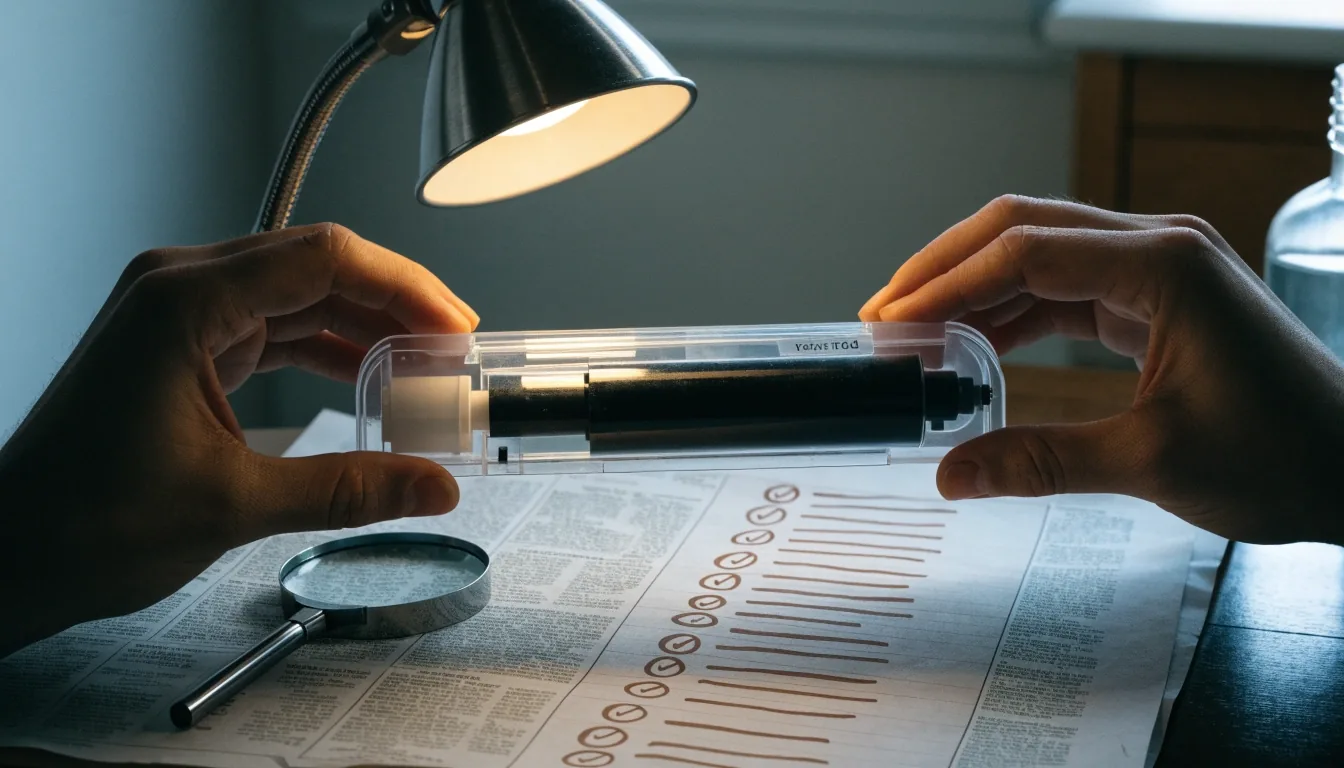
Decide if your cartridge is a refill candidate
Work down the list before you spend anything on ink. Each check is short, and any one of them can send you straight to the recycling box. Open a step to read what a careful refill review looks at, or leave them all closed and read the summary lines.
Check model compatibility first
Not every cartridge is built to be refilled, and no amount of care changes that. Start with the manufacturer's own position on your model, then check whether the unit in your hand is the one that model expects. Compatible third-party units sometimes accept refilling where original sealed units do not, and the reverse is also true.
If the refill page for your model says the nozzles cannot be reached, or the vent path is sealed, stop there. That is not a wear problem and it will not clear with patience.
Do this before anything else
Write the cartridge code down and check it against your printer's specification. Two units that look identical on the shelf can belong to different families.
Read the physical condition
Look for cracks along the housing, leaking seams, and contacts that have gone dull or worn flat. Run a finger along the nozzle face without pressing. A cartridge that printed well until it simply ran low is a better candidate than one that has streaked for months.
Print history carries as much weight as appearance. If the last several test pages stayed poor after the correct cleaning procedure, the unit has wear that fresh ink will not reach.
Stop signals
- Cracked or bulging housing
- Ink visible at a seam
- Contacts worn flat or pitted
- Persistent gaps after cleaning
Check the expiration date and storage
Ink carries an expiration date for a reason. Old ink thickens, and thick ink blocks the narrow nozzles long before the cartridge looks empty. Note the date printed on the box before you plan anything, and treat a carton that has sat in a warm room for years with suspicion.
Store spare cartridges sealed, upright, and at room temperature away from direct heat. A cartridge that spent months open, or outside the printer on a shelf, has dried at the nozzle face. Refilling alone will not reverse that.
Storage at a glance
- Sealed, never loose in a drawer
- Upright, nozzle side down
- Room temperature, not a windowsill
- Away from radiators and direct sun
What a careful refill review covers
A good review looks at three things: the fill level before the top up, the condition of the vent, and the quality of the test print afterwards. Irish readers often meet this framing on the refilling pages of established Irish cartridge specialists, whose guidance is to clean the printhead manually when quality falls away rather than assume the unit is finished.
Treat refilling as diagnosis plus testing, not just adding ink. If the colours stay uneven after correct preparation and a proper clean, stop. Keep the unit for recycling instead of pouring more fluid into a cartridge that is already failing.
Three parts of a review
- Fill level before the top up
- Vent condition and airflow
- Test print quality afterwards
Sending cartridges for recycling in Ireland
When a cartridge is finished, recycling keeps plastics and residues out of general waste. Kavanagh Recycling is an Ireland-based service whose page, updated in October 2026, says cartridges can be sent in for recycling and mentions a minimal fee.
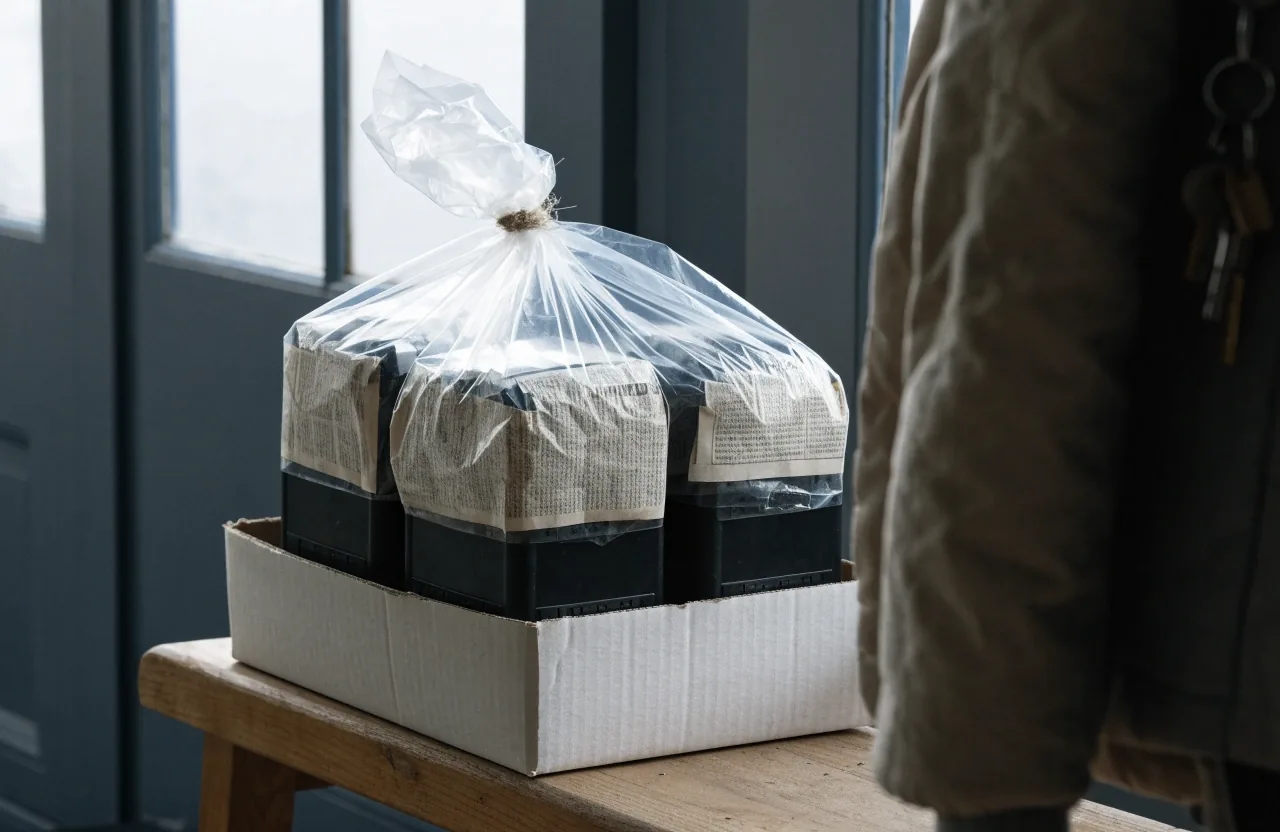
Pack empties upright in a sealed bag inside a sturdy box so nothing leaks in post, and keep different cartridge types separated so they can be sorted on arrival. Anything you cannot refill still has somewhere to go.
Before you post
- Bag sealed, upright, inside a box
- Types kept apart for sorting
- Leaking units double-bagged with a note
Prepare empties so they travel cleanly
Wipe the outer housing lightly with a dry lint-free cloth, without touching nozzles or contacts. Place each cartridge in its original clip, or a small sealed bag if you still have one. Do not tape over vents aggressively, and do not wrap units in damp material. If a cartridge is actively leaking, double-bag it and include a short note saying so; that helps the handlers and keeps other items in the parcel unstained.
Habits that extend the next cartridge
Print a small test page every week or two if your printer often sits idle. Park the printer with its own power button so the maintenance cartridge can seal the printheads and reduce drying. Keep the printer covered from dust and out of direct heat.
These habits lower how often you need a cleaning cycle, and they make any future refill assessment far more straightforward, because you will be starting from a cartridge that has not been left to dry out.
A simple routine
- A test page every week or two
- Park with the printer's own button
- Cover it, keep it out of the heat
Two ways to bring ink back
The printer menu, or your own two hands
Both routes exist, and the choice is not about loyalty. Reading the comparison down the middle is quicker than reading it twice.
Runs a cleaning cycle the printer chooses for you.
Uses ink from the cartridge to clear the nozzles.
Finishes in minutes, and repeats if the print stays uneven.
Kavanagh Recycling is not needed until the cartridge is genuinely finished.
Useful when the printer sat idle for a month and the first page came out light.
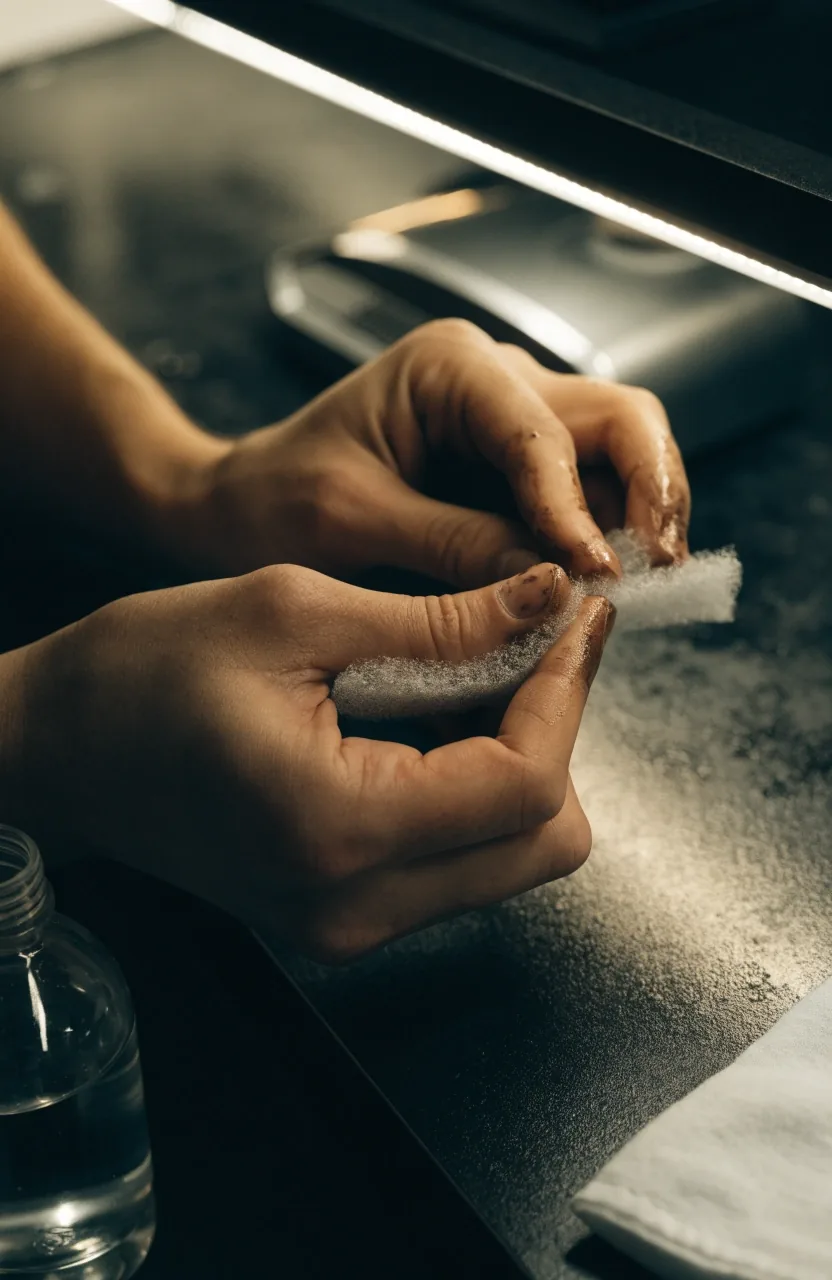
You decide where the swab goes and how far it travels.
Uses distilled water and a foam swab, not the cartridge's own ink.
Takes longer, and rewards patience at the printhead.
Best used when a cycle has already run without clearing the gaps.
Useful when the cycle ran twice and the streaks are still there.
Where finished cartridges go
Three ways to hand an empty cartridge on
Refillable or not, an empty cartridge should leave your desk properly. These are the routes an Irish household can actually use, and the smallest of them costs you a walk.
Kavanagh Recycling by post
An Ireland-based service that accepts cartridges sent in for recycling, with a minimal fee noted on its own page. Pack them sealed and upright so nothing leaks in the post.
Fee noted on their page
Minimal charge per parcel
Retailer collection points
Many Irish stationery and electrical shops keep a cartridge box near the till. It is the fastest route for one or two empties, and it needs no packing at all.
Worth checking first
Ask at the counter
Ask us when you visit
Bringing a printer or a set of cartridges into the Sandyford workshop? Mention the empties when you call and we will point you at the nearest route that fits, including Kavanagh Recycling.
Talk it through
+353 1 295 8432
Two questions that come up most
The answers are short because the decisions really are. If yours is different, the workshop line is open Monday to Friday, 9:00 AM to 6:00 PM.
Workshop
Is refilling always cheaper than replacing?
Not when the cartridge has wear, drying, or persistent gaps after proper cleaning. A refill that fails costs you the ink and the time, and the worn unit still ends up in the recycling box. Assess condition and expiration first, then decide. On a healthy cartridge that simply ran low, refilling is usually the cheaper route by some way.
Where do finished cartridges go in Ireland?
They can be sent in for recycling through Ireland-based services such as Kavanagh Recycling, whose own page, updated in October 2026, notes a minimal fee. Pack them sealed and upright for posting, keep different types apart, and wipe the housing with a dry cloth before they go. Retailer collection points take a cartridge or two, and the workshop can point you at whichever route suits your area.
How long can a spare cartridge sit before it matters?
That depends on the date on the box rather than on a fixed number of months, because ink thickens at different rates in different cartridges. The date is the honest answer, and it belongs to the batch, not to your printer. Store spares sealed and upright at room temperature, away from radiators and direct sun, and note the date when the box arrives rather than when you finally open it.
Can a cartridge that has dried out be rescued?
Sometimes, and only at the nozzle face. A correct manual clean can lift dried ink from the plates and restore an even print, which is why the cleaning cycle and the hand routine in the print quality guide are worth reading before you give up on a unit. If the colours stay uneven after correct preparation, the wear is internal and the cartridge belongs in the recycling box instead.
Do I need to clean a cartridge before sending it away?
No. Wipe the outer housing with a dry lint-free cloth, leave the nozzles and contacts alone, and seal the unit as it is. Aggressive taping over vents or wrapping in damp material does more harm than good in a parcel. If the cartridge is actively leaking, double-bag it and add a short note so the handlers know before they open the box.